
The Complete Cadillac EV Owner’s Guide to Battery Care, Charging Habits, and Trip Prep in Colorado
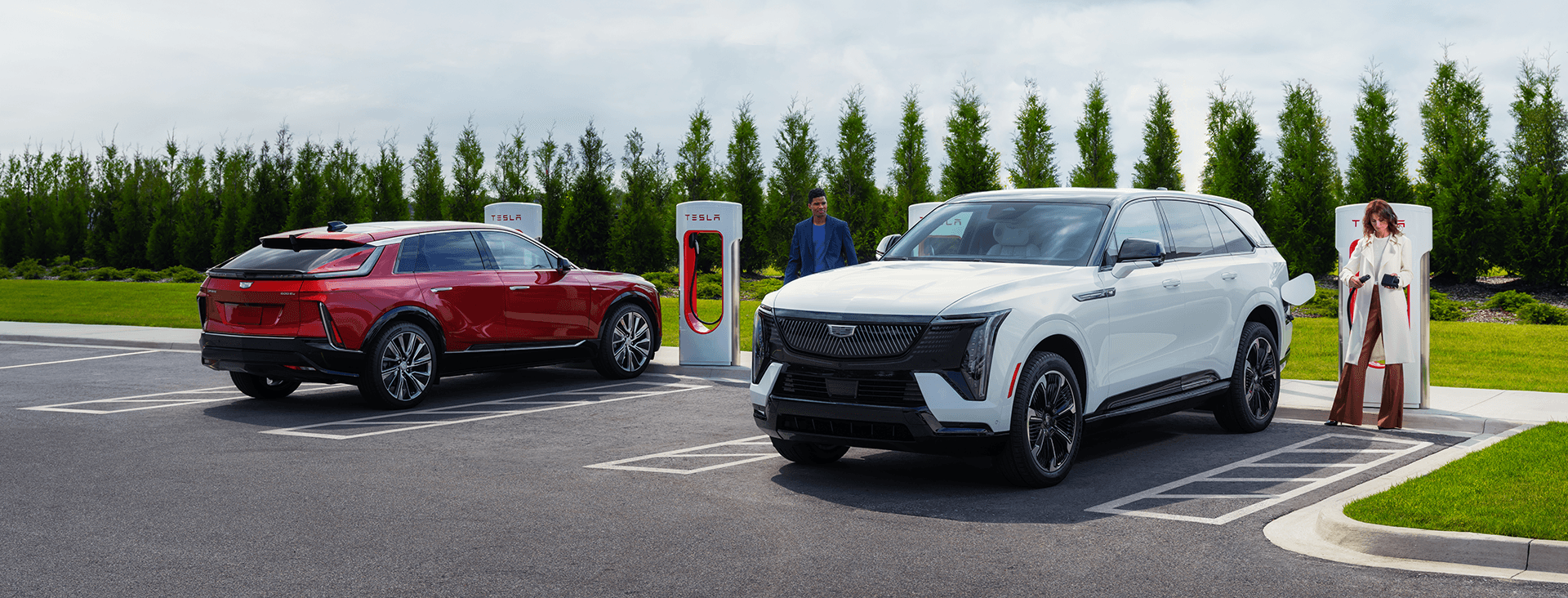
Owning a Cadillac electric vehicle — whether it’s the bold LYRIQ, the fast and nimble OPTIQ-V, the commanding VISTIQ, or the landmark ESCALADE IQ — puts you at the forefront of luxury driving in Colorado. But getting the most from that breathtaking technology means understanding how to treat your Ultium-powered battery right. From everyday charging habits to leaving your EV safely at Denver International Airport before a two-week vacation, this guide covers everything Colorado Cadillac EV owners need to know.
At Red Noland Cadillac in Colorado Springs, our team works with EV owners every day, and these are the questions we hear most. Whether you’re navigating I-25 in January or heading up to Vail for a ski trip, the tips below will help you drive farther, charge smarter, and protect your investment for years to come.
Why Does Battery Care Matter More Than You Might Think?
Cadillac’s Ultium battery platform is engineered to be robust and self-managing. GM has designed its batteries to withstand normal vehicle use without any maintenance of the battery — the system automatically cools itself, manages thermal conditions, and prevents overcharging past full. That said, the habits you build around charging and parking can meaningfully extend the life and performance of your battery over the long haul.
As Cadillac notes directly on its support pages: “Like all batteries, the amount of energy that the high-voltage propulsion battery can store will decrease with time and miles driven. The battery will be replaced/repaired if the capacity falls below 75% of its original value during the warranty period, as determined by a certified dealer.”
The good news? A few simple habits put most of the control squarely in your hands.
What Are the Core Battery Maintenance Best Practices for Cadillac EVs?
Cadillac’s official vehicle support documentation outlines several foundational habits. Here’s what matters most:
How Often Should You Plug In Your Cadillac EV?
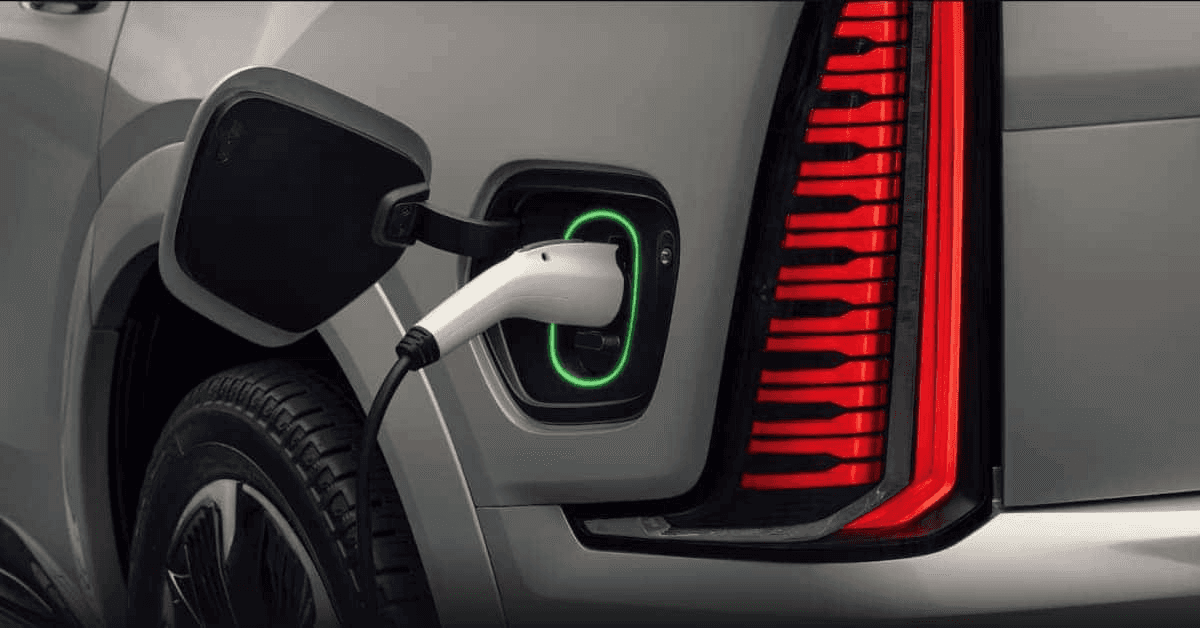
Plug in as often as possible — even when you don’t need a full charge. EV batteries are sensitive to temperature swings, but a plugged-in vehicle can draw power from the grid to actively regulate battery temperature. If overnight temperatures drop below 32°F in Colorado Springs (as they routinely do from October through March), your plugged-in Cadillac EV will draw grid power to warm the battery before your morning drive — protecting both range and cell health. Conversely, on a hot summer day above 90°F, it can pre-cool the pack before you even open the door.
Per Cadillac’s Owner’s Manual guidance: “Keep the vehicle plugged in, even when fully charged, to keep the battery temperature ready for the next drive. This is important when outside temperatures are extremely hot or cold.”
What Is the Ideal Daily Charge Level for a Cadillac EV?
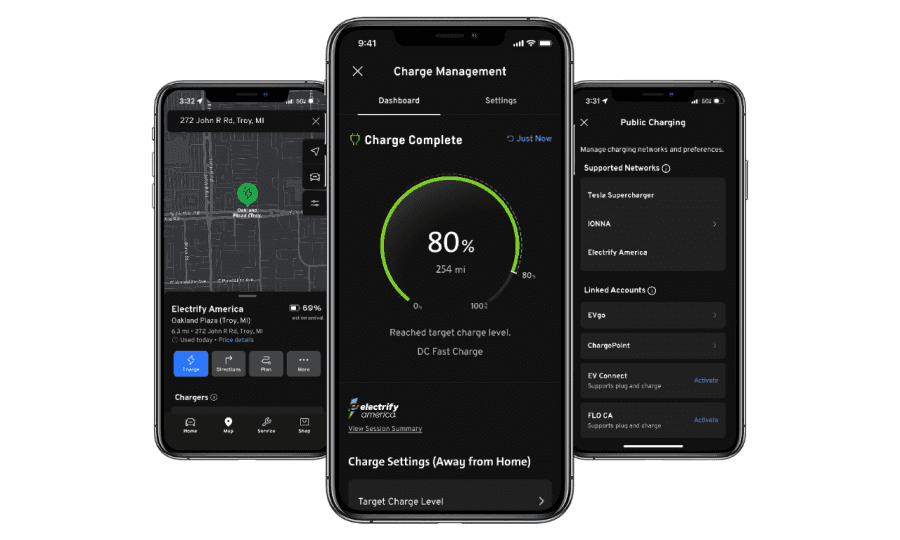
Set your target charge level to 80% for all routine daily use. This single habit is the most impactful thing you can do for long-term battery health.
- Target Charge Level
- The percentage at which your Cadillac EV automatically stops charging. Set this in the Charging app on the center display or via the myCadillac mobile app.
- State of Charge (SOC)
- The current percentage of usable energy remaining in your high-voltage battery. Cadillac recommends keeping your SOC between 20% and 80% for daily driving.
- Regenerative Braking
- A system that converts kinetic energy back into electricity as you slow down. Regenerative braking performance is limited above an 80% charge level because the battery needs headroom to accept that recovered energy.
FAQ: Why is 80% better than charging to 100% every night?
Lithium-ion battery cells experience the least chemical stress when kept in the middle of their charge range. Sustained high voltage — sitting at 100% for hours — causes electrochemical strain that gradually reduces the maximum capacity a battery can store. Cadillac’s own support documentation states that charging to 80% for daily use “helps promote battery health and optimal regenerative braking performance.” For Colorado mountain driving in particular, that extra headroom above 80% is where your regenerative braking energy gets stored on the descent from Pikes Peak or Breckenridge — so the 80% rule earns its keep in two ways.
How Do You Set the 80% Charge Limit on Your Cadillac EV?
- Ensure your vehicle is parked and plugged in at your home charging location.
- On the infotainment center display, open the Charging app.
- Select Charge Now or set up a Charge Later schedule.
- Drag the gauge marker to 80%, or use the up/down arrows to set your target charge level.
- Press Save & Close. Your vehicle will remember this setting — it persists even after you turn the vehicle off and back on.
- Alternatively, open the myCadillac mobile app and adjust the target charge level from your phone.
Note: Any day of the week not included in a saved schedule automatically defaults to “Charge Now” with a target of 100%. Make sure every day is covered in your schedule if you want the 80% cap enforced consistently.
Should You Use DC Fast Charging Every Day?
No. DC Fast Charging (Level 3) is an excellent tool for road trips — especially when crossing Colorado’s Eastern Plains on I-70 or topping off near Pueblo before a mountain run — but it should not be your primary day-to-day charging method. Regularly using DC Fast Charging back-to-back, without a rest interval between sessions, can degrade the battery a little faster than AC Level 2 home charging. The high-power DC charge process generates heat within the cells that, over time, accelerates chemical wear.
Use DC Fast Charging when you need it on the road. Use Level 2 home charging for everything else.
What Is Battery Conditioning Before a DC Fast Charge?
Before pulling into a DC Fast Charging station, activate DC Fast Charging Battery Conditioning in your vehicle approximately 30 minutes before your planned arrival. This feature brings the battery to an optimal temperature for charging — particularly important during Colorado winters when cold pack temperatures can significantly slow charge acceptance.
On models like the ESCALADE IQL, which supports 800-volt DC fast charging capable of up to 350 kW, arriving at the charger with a preconditioned battery can make a dramatic difference in how quickly you return to the road.
How Does Colorado’s Altitude and Climate Affect Your Cadillac EV Battery?
Colorado is a uniquely favorable state for EV ownership — with some important caveats. Understanding both sides of the altitude equation will help you plan every drive with confidence.
Does High Altitude Help or Hurt EV Range in Colorado?
It does both, depending on conditions. Research from Vaisala Xweather’s EV Range Report found that “higher-altitude states like Colorado and Utah outperform other cold-weather regions because lower air density reduces aerodynamic drag, improving battery efficiency.” Colorado’s thin air — Colorado Springs sits at approximately 6,035 feet above sea level, while the I-25 corridor ranges considerably higher — means your Cadillac EV faces less aerodynamic resistance per mile. This translates to genuinely better efficiency on flat ground compared to sea-level driving in similar weather.
However, climbing significant elevation is energy-intensive. An EV consumes considerably more electricity per mile going up a steep grade than on flat terrain. The upside is significant: on the descent, regenerative braking recovers a meaningful portion of that energy back into the battery. Inside EVs notes that driving up to Loveland Pass and back down the same road demonstrated that regen can recapture much of the energy spent on the climb. Your Cadillac EV’s trip computer will reflect this reality — expect to see range drop faster on the way to Aspen, and recover on the way home to Grand Junction.
What Are Colorado Winter Charging Considerations?
Colorado temperatures dip in the winter, reduced battery efficiency and slow charging speeds are factors you can work around. These are the most important cold-weather habits:
- Plug in overnight, always. A plugged-in battery will self-warm to optimal temperature using grid power, not stored range.
- Precondition the cabin before you leave. Set a departure time in your Charging app so the cabin reaches your desired temperature before you unplug. The heat comes from the charger, not the battery, preserving your range for driving.
- Park indoors when possible. Parking in a garage — even an unheated one — dramatically reduces the thermal work the battery management system has to do overnight.
- Maintain your charge above 20%. Cold temperatures reduce usable capacity, so starting the day at 20% in January is a very different experience than 20% in July.
What Charge Level Should You Use for Mountain Driving in Colorado?
Cadillac’s official charging guidance is explicit on this point: “If your route includes steep mountain terrain, it’s important to charge to 80% or less for optimal regenerative braking performance.” This is because regenerative braking requires battery headroom to store captured energy. If your pack is charged to 95% when you start descending Monarch Pass, the regen system has little room to store recovered energy — and your friction brakes have to do more work.
For ski trips up to Breckenridge, Vail, or Telluride, charge to 75–80% before leaving, and let the descent replenish a meaningful portion of what the climb consumed.
| Driving Scenario | Recommended Charge Level | Why |
|---|---|---|
| Daily commute (Colorado Springs, Denver, Pueblo) | 80% target | Optimal battery health; regen headroom for stops |
| Mountain drive (Pikes Peak, I-70 to ski resorts) | 80% or less | Maximizes regenerative braking on descent |
| Long highway trip (Colorado Springs to Denver to Grand Junction) | 90–100% | Extended range needed; DC fast charging along route |
| Airport long-term parking (DIA or COS) | 50–60% | Battery health for extended storage; sufficient to drive home |
| Extended storage (30+ days) | ~30–50% | Manufacturer-recommended range to minimize cell stress |
How Should You Prepare Your Cadillac EV Before a Trip When You’ll Be Parking It at the Airport?
Leaving your LYRIQ, VISTIQ, or ESCALADE IQ at Colorado Springs Airport (COS) or Denver International Airport (DIA) for several days or weeks requires a little preparation. Done right, your Cadillac will be happy to see you when you land — with enough charge to get home.
Should I use EV Parking at the Airport for a short term trip if I can?
This is the best way to park at the airport if you can. Colorado Springs Airport has EV Parking available with their Valet Parking, allowing your Cadillac EV to stay hooked to a charger so you can adjust your vehicle settings in your myCadillac App to ensure your vehicle has the perfect charge and is preconditioned when you land. Denver International Airport has limited EV parking available but some excellent options are available via 3rd party parking options such as Fine Airport Parking, who offers complimentary EV charging when you use their services.
What Charge Level Should You Leave Your EV At for Airport Parking?
This is the question we hear most, and the answer is clear: aim for 50% to 60% state of charge when you park. Most EV experts and Cadillac’s own storage guidance agree that leaving a lithium-ion battery at extreme states of charge — either very high (90–100%) or very low (under 10%) — for extended periods accelerates degradation.
Cadillac’s official support documentation states directly: “Do not store the vehicle fully charged or fully depleted.” General Motors’ broader storage guidelines suggest that an optimal charge level for long-term parking is around 30% to 50% to prevent battery degradation.
A 50% charge on the ESCALADE IQ (rated up to 465 miles) means roughly 230 miles of cushion to get home. A 50% charge on the LYRIQ (rated up to 326 miles RWD) gives you approximately 160 miles. Even accounting for small vampire drain over a week or two, you’ll have more than enough range to get from DIA back to Colorado Springs — a roughly 90-mile drive down I-25.
FAQ: How much range does a Cadillac EV lose while sitting unplugged at the airport?
Modern Cadillac EVs on the Ultium platform are designed to minimize parasitic drain in their sleep states. In moderate temperatures, expect to lose roughly 1–3% of charge per week from background systems. Cold Colorado temperatures or active security features can increase that figure. Leaving at 50–60% for a two-week trip should still leave you with 40–55% when you return — more than enough to drive home and charge up properly.
Step-by-Step: How to Set Up Your Cadillac EV for Airport Long-Term Parking
- Charge to 50–60% before you leave for the airport. Use your home Level 2 charger and set your target charge level to 60% the night before. Resist the urge to “top off” to 100% — it’s counterproductive for both battery health and long-term storage.
- Turn off the Surround Vision Recorder’s Security Mode. If your Cadillac is equipped with the Surround Vision Recorder and Security Mode is active, the system will automatically begin recording whenever it detects movement near the vehicle. In a busy airport parking garage, this can trigger dozens of recording events per day, keeping the vehicle’s systems more active than necessary. To disable it: with the vehicle ON and in PARK, navigate to the Video Recorder icon on the infotainment screen, open the Surround Vision Recorder app, and disable Security Mode recording. You can leave the basic recording feature off entirely while the vehicle is in long-term storage.
- Disable or suspend any “always on” subscription services or third-party apps. If you use third-party data-logging or tracking apps that regularly “ping” your vehicle to pull battery and location data, log out of those apps before parking. Each time an app queries your vehicle, it briefly wakes the system from its lowest-power sleep state — consuming a small amount of energy each time. Over a week or two, those micro-wake events add up.
- Minimize myCadillac app check-ins during your trip. Once your vehicle is parked and secured, resist the urge to check the app frequently. Every time you open the app and refresh vehicle status, you wake the car’s onboard communications module. Check it once after parking to confirm charge level, and then again when you land to verify you have enough range to drive home.
- Confirm the Interior Movement Sensor (IMS) behavior. The Advanced Theft Deterrent system includes an Interior Movement Sensor that uses ultrasonic waves to detect unauthorized entry. This system is passive and works efficiently without significant battery drain — it triggers the alarm and Surround Vision Recorder only when movement is detected, and does not continuously run active scanning in a way that meaningfully drains the high-voltage battery. You can leave this active for security. What you want to manage is the video recording component of the Surround Vision Recorder, which is the battery-hungry element.
- Keep the key fob away from the vehicle. GM’s storage guidance specifically advises keeping the key fob away from the vehicle during extended parking to prevent unnecessary system activations. Store your key securely — or even in a Faraday pouch — while traveling to prevent accidental fob proximity from waking vehicle systems.
- Park in a covered or shaded space when possible. Colorado airports can see wide temperature swings — DIA famously experiences everything from sub-zero January nights to 100°F June afternoons. Covered parking helps moderate the temperature the battery pack experiences, reducing how hard the thermal management system has to work.
- If a Level 1 outlet is available, consider plugging in at 50%. Some airport facilities and off-site park-and-fly lots offer Level 1 (120V) outlets. If available, plug in with a target level set to 50–60%. The car’s battery management system will maintain the battery at your set level using minimal grid power and will also keep the 12-volt system healthy. However, avoid leaving the vehicle at a public Level 2 charger for days on end — this blocks the station for other drivers and is generally considered poor EV charging etiquette.
- Check tire pressure before you leave. Heavily loaded EVs like the ESCALADE IQ exert significant weight on tires. Proper inflation helps prevent flat spotting during extended stationary parking and ensures you don’t start your drive home with underinflated tires that reduce range and safety.
What Settings Should You Change Before Leaving Your Cadillac EV at the Airport?
| Feature/Setting | Recommended Action for Airport Storage | Reason |
|---|---|---|
| Surround Vision Recorder – Security Mode | Disable | High-traffic environment triggers frequent recording, increasing system activity and drain |
| Third-party EV tracking/data apps | Log out or disable access | Frequent app pings wake the vehicle and consume battery |
| myCadillac App check-ins | Minimize to 1–2 times total | Each status check wakes onboard comms module |
| Target Charge Level | Set to 50–60% before arrival | Optimal battery health for extended storage |
| Cabin Preconditioning (scheduled) | Disable any scheduled preconditioning | No departure scheduled; preconditioning would run unnecessarily |
| Advanced Theft Deterrent (alarm) | Leave active | Passive security; minimal battery impact |
| Key Fob | Keep away from vehicle (15+ feet); consider Faraday pouch | Prevents accidental proximity activation of vehicle systems |
How Do You Properly Store a Cadillac EV for Extended Periods?
Extended storage — anything beyond two to four weeks — warrants additional consideration, particularly for the 12-volt auxiliary battery that powers your Cadillac’s electronics and communications systems independently of the main high-voltage pack.
What Does Cadillac Recommend for Long-Term EV Storage?
Cadillac’s Owner’s Manual recommends the following for vehicle storage:
- Plug in whenever possible. When plugged in, the battery management system automatically maintains both the high-voltage pack and the 12-volt auxiliary battery. The car handles everything with minimal energy draw from the grid.
- If you cannot plug in, charge the vehicle first, then store it. GM’s guidance suggests that for long-term unplugged storage (more than 30 days), starting with a full charge gives the battery management system the most resources to work with.
- For very long unplugged storage, a 30–50% SOC is preferred. This is the range where Cadillac and GM sources consistently recommend parking the high-voltage battery to minimize electrochemical stress.
- Use a 12-volt AGM trickle charger on the auxiliary battery if storing unplugged for months. The Cadillac Ultium system automatically checks and recharges the 12-volt battery periodically — but only if the main high-voltage pack has sufficient charge (typically above 40%). For very long unplugged storage, a dedicated 12-volt battery maintainer protects you from returning to a vehicle that won’t power on.
FAQ: What Happens to the 12-Volt Battery in a Cadillac EV During Storage?
Your Cadillac EV has two battery systems: the large high-voltage Ultium pack that powers the electric motor, and a conventional 12-volt auxiliary battery that runs the electronics, security system, and communications modules. The Ultium system recharges the 12-volt battery automatically — but only when the high-voltage pack has enough charge to do so (generally above 40%). If you park an unplugged Cadillac EV at 15% charge for three months, the high-voltage pack may eventually drop below the threshold needed to maintain the 12-volt battery, potentially leaving you with a vehicle that won’t power on when you return. This is why either keeping the vehicle plugged in, or keeping the high-voltage SOC above 40%, is so important for extended storage.
What Everyday Charging Habits Most Protect Cadillac EV Battery Life?
The “Daily to 80” Rule Explained
Cadillac uses the phrase “Daily to 80” in its official support resources to describe the habit of setting your daily charge target at 80%. This single practice is the cornerstone of long-term battery health for any Ultium-based Cadillac EV. The myCadillac app and the in-vehicle Charging app both make setting this target straightforward, and the vehicle will remember your preference between drives.
Use the Departure Time Feature to Optimize Grid Use and Battery Temperature
The Charge Later function in your Cadillac’s Charging app lets you set a departure time, scheduling charging to complete at 80% right before you leave rather than immediately when you plug in. This approach:
- Reduces the time the battery spends sitting at maximum charge
- Takes advantage of off-peak electricity rates (relevant for Xcel Energy and Colorado Springs Utilities customers, both of which offer EV time-of-use rate plans)
- Ensures the battery is at optimal temperature for your drive rather than having cooled overnight after charging finished hours earlier
What Driving Habits Extend Battery Life on Colorado Roads?
- Avoid rapid acceleration from stops. Gentle acceleration extends range and reduces heat generation within the battery pack — especially important on long stretches of I-25 between Colorado Springs and Denver.
- Use One-Pedal Driving in city traffic. This maximizes regenerative braking, recovering energy with every slowdown through downtown Colorado Springs, and reduces wear on friction brakes.
- Precondition the cabin while plugged in, not while driving. Running the HVAC while connected to the charger means the energy for heating or cooling comes from the grid, not the battery — leaving your full range for driving.
- At highway speeds, stay within a reasonable speed range. Aerodynamic drag increases significantly at speeds above 70 mph. Colorado’s 75–80 mph highway speeds are comfortable for the ESCALADE IQ and LYRIQ, but you’ll gain meaningful efficiency by setting cruise control a few mph below maximum.
What Routine Maintenance Does a Cadillac EV Need in Colorado?
One of the genuine advantages of EV ownership is the dramatically reduced maintenance schedule. Your Cadillac EV never needs an oil change, transmission service, spark plugs, or fuel filter. But several maintenance items remain important.
| Maintenance Item | Recommended Interval | Colorado-Specific Notes |
|---|---|---|
| Tire rotation | Every 7,500 miles | EVs are heavier than comparable ICE vehicles and deliver instant torque — both accelerate tread wear. Critical for front and rear balance on snowy mountain roads. |
| Tire pressure inspection | Monthly (or before long trips) | Colorado’s dramatic temperature swings can cause pressure to drop 1 PSI for every 10°F drop in temperature. Check after the first cold snap of fall. |
| Battery coolant system | Per Owner’s Manual schedule | Coolant manages battery and motor temperatures during Colorado’s wide temperature range, from sub-zero winters to 100°F summers. |
| Regenerative braking inspection | Every 12 months | Cadillac EV Pre-Paid Maintenance includes annual inspection of regenerative brakes, battery coolant, and charging socket/port. |
| Brake fluid | Per Owner’s Manual | Less frequent use of friction brakes (due to regen) means fluid doesn’t heat cycle as often, but it still absorbs moisture over time and requires replacement. |
| Windshield washer fluid | Check regularly | Colorado road de-icing creates significant debris spray on the Front Range. Use cold-weather fluid rated to at least -20°F. |
| Over-the-Air (OTA) software updates | Install as soon as available | Cadillac delivers Battery Management System optimizations via OTA updates. Keeping software current is one of the easiest ways to maintain peak battery performance. |
FAQ: Does a Cadillac EV Need Different Tires Than a Regular Vehicle?
Yes. Cadillac’s official guidance specifies that when replacing tires, you should “select tires specifically rated for the weight and load of an electric vehicle to help maintain range and safety standards.” EV-specific tires are designed with reinforced sidewalls to handle the additional weight of a high-voltage battery pack and are often optimized for reduced rolling resistance. This is especially relevant for the ESCALADE IQ or ESCALADE IQL, which is a full-size luxury SUV with a substantial curb weight. Ask the service team at Red Noland Cadillac for tire recommendations specific to your model and Colorado driving conditions.
FAQ: Should I Worry About EV Warning Lights in Colorado?
If a red EV warning light appears, Cadillac’s support documentation provides a specific troubleshooting sequence. First, unplug from any charging station if connected. Then turn the vehicle off and back on, waiting 30 seconds between each cycle, repeating up to three times. If the warning light persists, move 15 feet away from the vehicle with the key fob and wait 30 minutes for a full system reset. If the light remains after these steps, contact the service team at Red Noland Cadillac for a diagnostic check. Do not drive or charge the vehicle if the warning light persists after all reset attempts.
How Does the Cadillac EV Warranty Protect Your Battery?
Cadillac backs its Ultium battery with a substantial warranty. The battery will be repaired or replaced by a certified dealer if its capacity falls below 75% of its original value during the warranty period. Following the charging and care habits outlined in this guide helps ensure you’re never in a position where battery degradation outpaces that protection.
For additional peace of mind, the Cadillac EV Pre-Paid Maintenance plan — the only plan endorsed by Cadillac and backed by General Motors — covers annual inspection of regenerative brakes, battery coolant, and the charging socket and port. It’s designed specifically around what an EV needs, not what a gas vehicle needs.
How Do Cadillac EV Charging Levels Compare?
| Charging Level | Power Source | Range Added Per Hour | Best Use | Battery Health Impact |
|---|---|---|---|---|
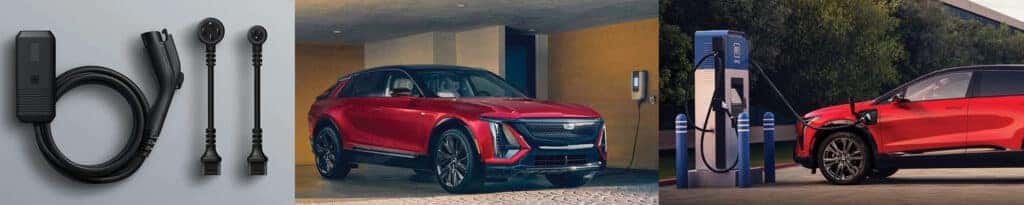
| Level 1 (120V) | Standard 3-prong household outlet | ~3–4 miles (LYRIQ); ~2.7 miles (ESCALADE IQ) | Emergency backup; very short daily use | Lowest stress; gentle but slow |
| Level 2 (240V) | 4-prong outlet or hardwired home charger | ~22–31 miles (LYRIQ); ~14.6–50 miles depending on charger | Primary home charging; best daily habit | Optimal; recommended for routine use |
| DC Fast Charging (Level 3) | Public DC fast charger network | Up to 190 kW (LYRIQ/VISTIQ); up to 350 kW (ESCALADE IQ) | Road trips; quick top-ups when pressed for time | More heat generated; use sparingly; avoid back-to-back sessions |
Colorado Charging Tip: The state has more than 67 Electrify America charging locations, plus access to over 23,500 Tesla Superchargers via GM’s NACS DC adapter (available through Cadillac Accessories or the myCadillac app). On a trip from Colorado Springs to Grand Junction on I-70, you’ll find DC fast charging options in Salida, Buena Vista, and Glenwood Springs — making the full crossing easily manageable in either a LYRIQ or ESCALADE IQ.
Frequently Asked Questions About Cadillac EV Battery Care
Q: Can I charge my Cadillac EV from 0% to 100% if I need to?
A: Yes, you can. The vehicle will accept a full charge when needed for a long trip. However, routinely cycling from 0% to 100% stresses battery cells more than staying within the 20–80% range for daily use. Charge to 100% when you need the range; just don’t leave it at 100% for hours before you leave.
Q: Does it hurt the battery to leave my Cadillac EV plugged in all the time at home?
A: No. Cadillac explicitly recommends keeping the vehicle plugged in whenever possible, even when fully charged. The vehicle’s battery management system stops active charging at your set target level and manages the battery passively from that point. It will also use the plugged-in connection to maintain battery temperature and the 12-volt system without consuming meaningful energy.
Q: Does using a public DC fast charger void my battery warranty?
A: No. Using DC fast charging stations is a normal and supported feature of your Cadillac EV. The warranty applies regardless of which approved charging methods you use. The guidance to use DC fast charging “when necessary” refers to battery health habits, not warranty conditions.
Q: How cold is too cold to charge my Cadillac EV in Colorado?
A: There is no ambient temperature at which you cannot charge, but charging speed slows significantly below freezing, and more so below 0°F. The most effective solution is to use the Battery Conditioning feature before arriving at a public DC fast charger, and to keep the vehicle plugged in at home overnight so it enters the morning pre-warmed. Do not attempt to charge a frozen 12-volt auxiliary battery — but the Ultium high-voltage pack is managed automatically by the thermal system.
Q: Will my Cadillac EV lose range while I’m away on a two-week trip in Colorado winter?
A: Yes, but minimally if you follow the preparation steps above. In cold Colorado conditions, a Cadillac EV’s thermal management system will draw small amounts of power from the high-voltage battery to maintain pack temperature even when parked. Starting at 50–60% and minimizing active features (surveillance, app pings) should leave you with 40–50% on return — more than enough to make it home from DIA or COS.
Q: Where can I get my Cadillac EV serviced in Colorado Springs?
A: Red Noland Cadillac’s certified service team specializes in Cadillac EVs and is equipped to handle everything from routine maintenance to high-voltage battery diagnostics. Our technicians are trained specifically on the Ultium platform and all current Cadillac EV models.
Ready to Talk Cadillac EV Ownership in Colorado?
Whether you’re shopping your first Cadillac LYRIQ, looking to add an ESCALADE IQ to the garage, or just want to make sure your existing EV is set up for Colorado’s demanding seasons, the team at Red Noland Cadillac is here to help. We’re Colorado Springs’ home for the full Cadillac electric lineup — and we’re passionate about helping our customers get the very most from the technology they’ve invested in.
Stop in, give us a call, or schedule a service appointment today:
Red Noland Cadillac
990 Motor City Drive
Colorado Springs, CO 80905
Sales: (719) 896-2743
Service: (719) 896-2694
Main: (719) 633-4633
Serving Colorado Springs, Cimarron Hills, Fort Carson, Canon City, Pueblo, and drivers throughout the I-25 Front Range corridor.
Sources: Cadillac.com Vehicle Support (EV Battery Maintenance, About EV Maintenance Schedule, EV Charging guides, Advanced Theft Deterrent documentation); GM Electric Vehicle Storage Guidelines; Vaisala Xweather EV Range Report; Inside EVs Mountain Driving Study; U.S. News & World Reports EV & Altitude Guide. Specifications and features based on current U.S. market models. Always consult your vehicle’s Owner’s Manual for model-specific guidance.
